Why Honkai: Star Rail Does Some Things Better Than Genshin Impact
Discover how Honkai: Star Rail's revolutionary quality-of-life improvements, including flexible farming and player-friendly gacha, surpass Genshin Impact's systems for a modern gaming experience.
Hey everyone, let me tell you something straight up - as someone who's put thousands of hours into both Genshin Impact and Honkai: Star Rail, I've got some thoughts about how the newer game has learned from its predecessor. Now, don't get me wrong, I absolutely love Genshin's open world and exploration - it's legitimately one of the best gaming experiences out there. But when HoYoverse dropped Star Rail in 2023, they brought some serious quality-of-life improvements to the table that make certain aspects of the game feel more modern and player-friendly. Let's dive into why Star Rail might just have the edge in some key areas.

Farming Materials - No More Waiting for Specific Days!
Okay, let's talk about one of the most annoying things in Genshin - farming materials on specific days of the week. Remember trying to ascend a character only to realize you have to wait until Wednesday for those damn talent books? Well, Star Rail said 'nah' to that system. In Star Rail, you can farm any material on any day, which is an absolute game-changer. When you pull a new character, you can immediately start grinding for their ascension materials instead of staring at the calendar. Plus, the fast travel system to farming locations is way more efficient - no more running across entire regions just to reach a domain!
Events - They Don't Just Disappear!
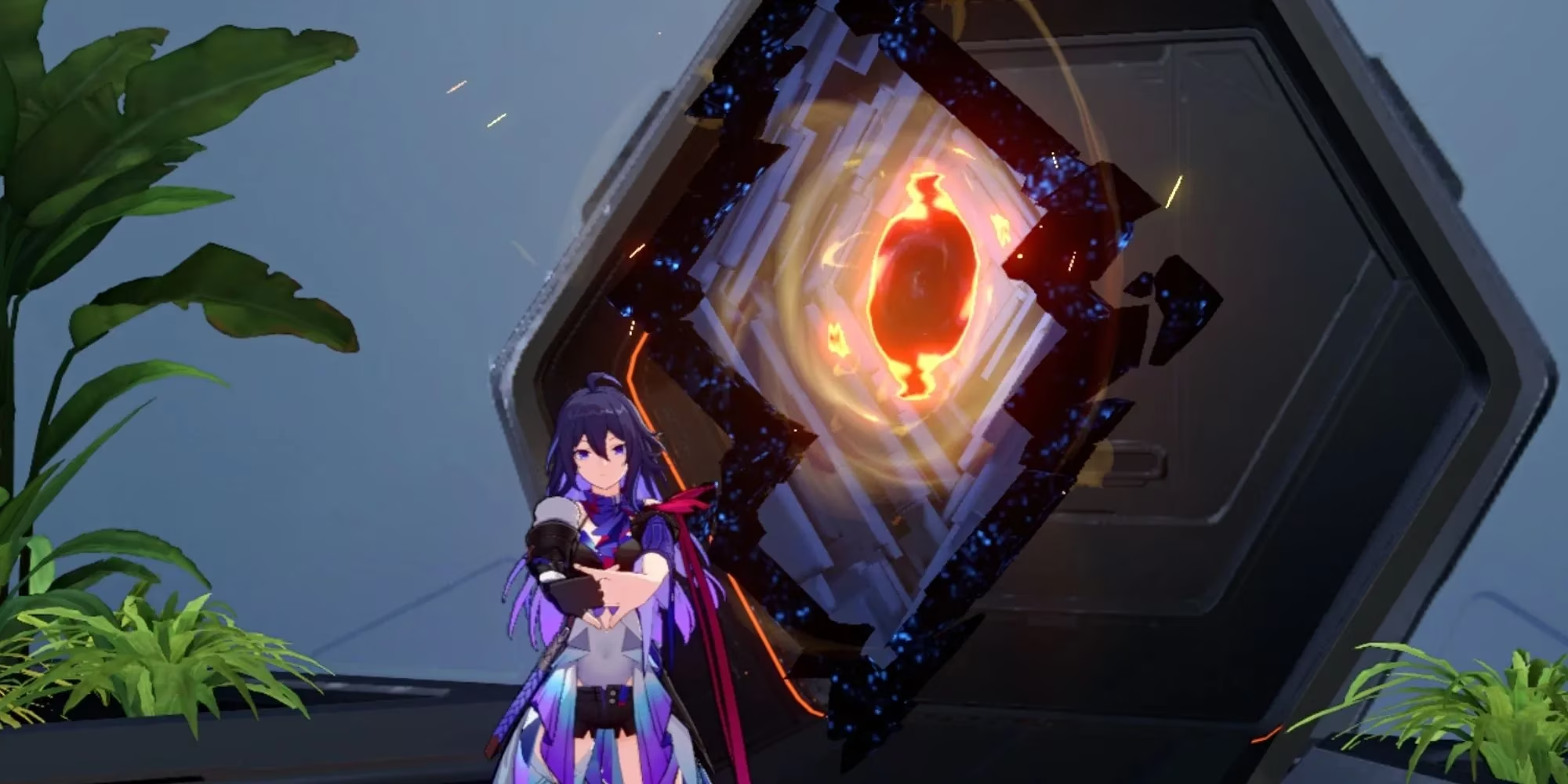
Here's something that really grinds my gears about live service games - missing out on limited-time events with important story content. Genshin's events are often one-and-done deals, but Star Rail introduces the Conventional Memoir system. This allows players to replay past events, even if they joined the game late or took a break. The Boulder Town Super League is permanently available, and I'm betting major story events like the Everwinter City Museum will stick around too. It's a much more considerate approach that respects players' time and schedules.
Gacha System - Light Cones vs Weapons
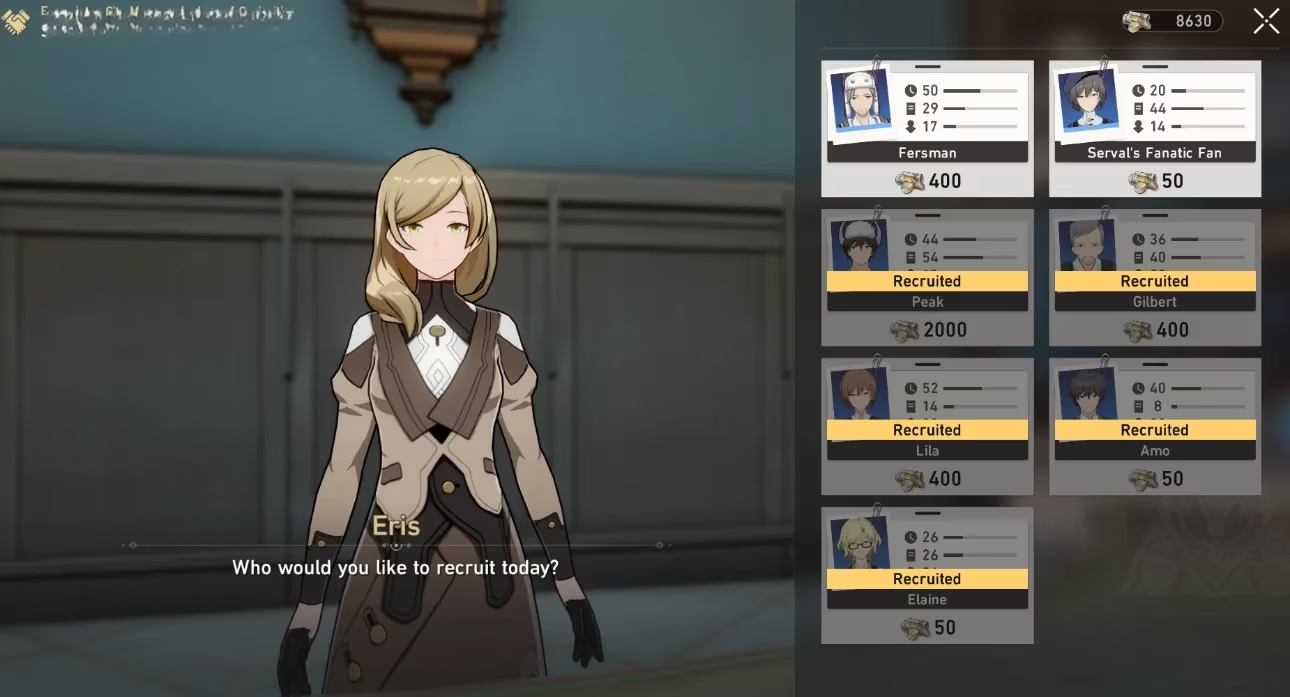
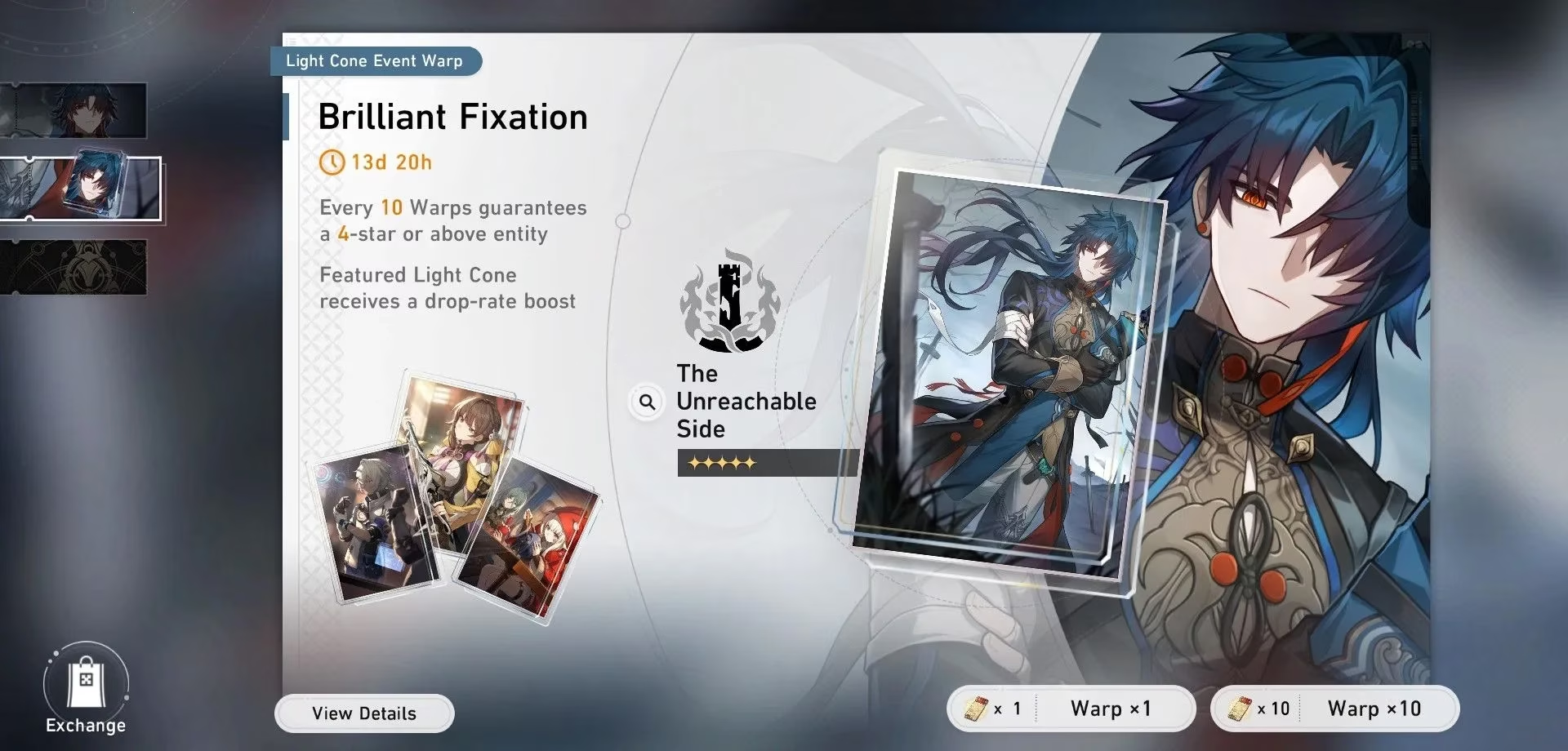
Let's be real - weapon banners in Genshin can be straight-up predatory sometimes. The whole 'two featured five-star weapons' thing means you might get the wrong one even when you win the 75% chance. Star Rail's Light Cone banners? Much more straightforward. They only feature one five-star Light Cone, making it way easier to get what you actually want. The pity system feels more transparent and fair, which is a huge win for free-to-play and low-spending players.
Game Modes - Simulated Universe is a Game-Changer
While both games have their endgame content (Spiral Abyss in Genshin, Memory of Chaos in Star Rail), Star Rail brings something completely unique to the table with the Simulated Universe. This roguelike mode is an absolute blast - you get to create crazy builds with random buffs and fight supercharged versions of bosses. It's a fantastic way to test different team compositions and strategies without worrying about resin or stamina. Genshin has nothing that compares to this permanent, replayable mode.
Combat - Everyone Gets Their Moment to Shine
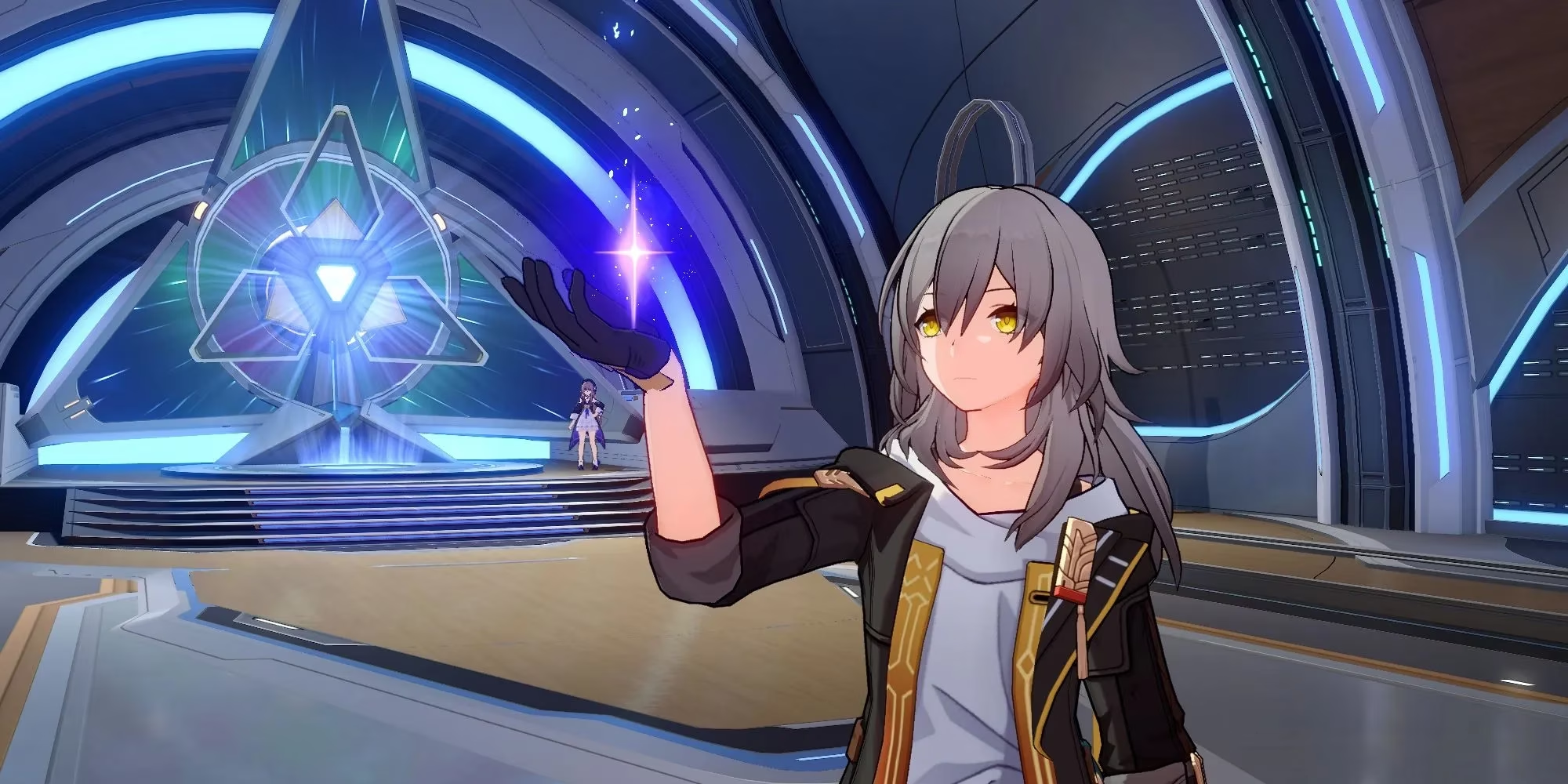
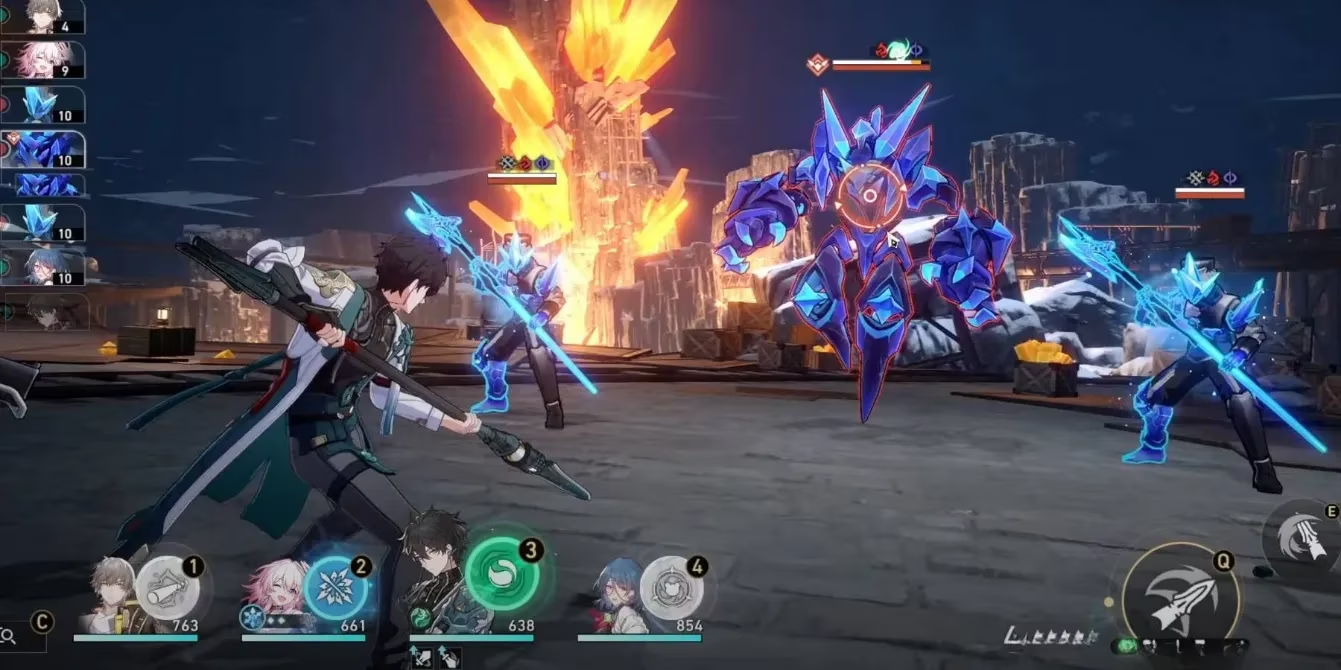
This is where the turn-based combat system really pays off. In Genshin, you're mostly controlling your main DPS while supports just pop in for their skills and burst. But in Star Rail's turn-based system, every character gets equal screen time. Support characters aren't just skill-bots - they actively participate in every turn, making them feel like genuine members of the team rather than just buff dispensers. The combat feels more strategic and team-oriented as a result.
Character Stories - More Depth, Less Choose-Your-Own-Adventure
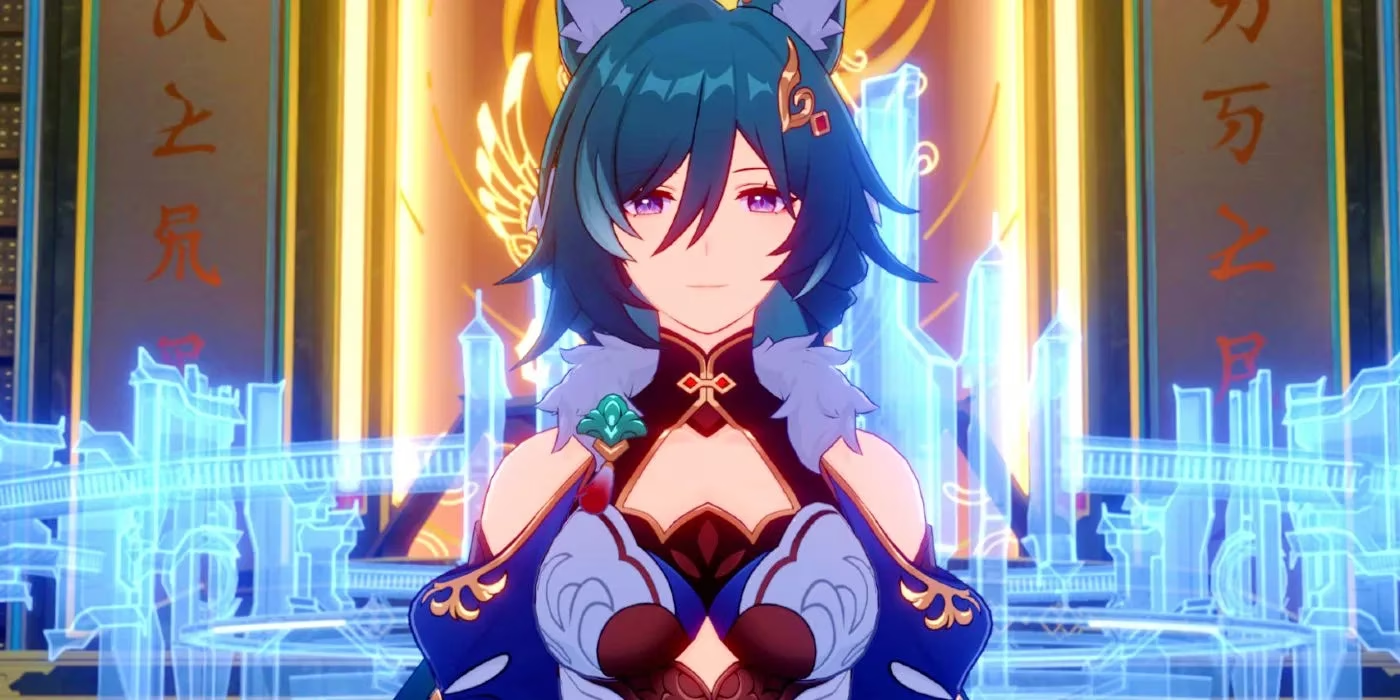
Genshin's Hangout Events are cute, but they often feel like dating sims with their branching paths. Star Rail's Companion Missions tell more complete, cohesive stories about each character. Plus, there's that awesome feature where characters you've completed missions for can randomly visit the Astral Express. It adds this wonderful layer of world-building and makes the characters feel like they're actually part of your journey.
Mascot Characters - Less Annoying Exposition
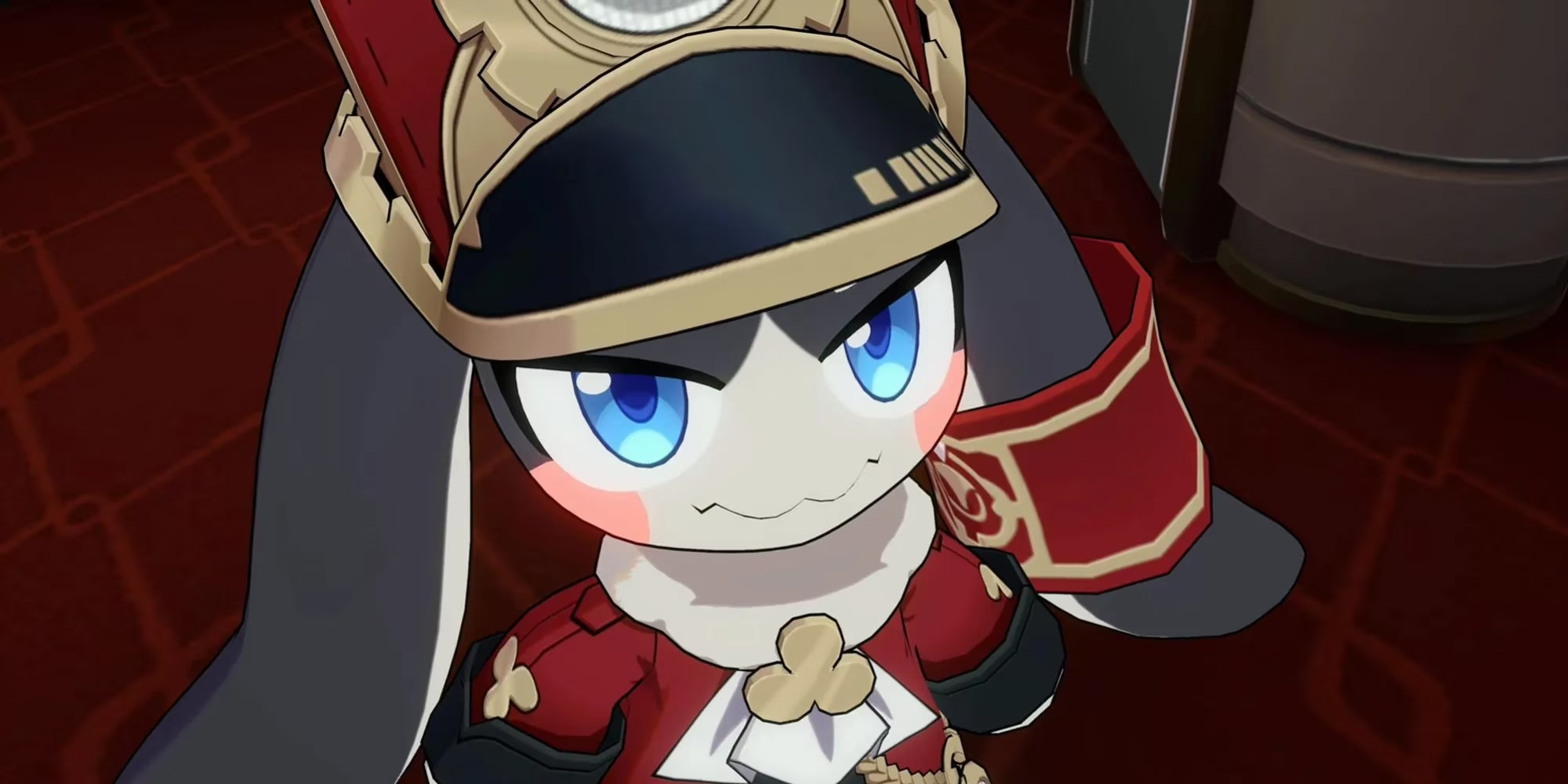
Look, I'll say it - Paimon can be exhausting sometimes. The constant exposition repeating and speaking for the Traveler gets old fast. Pom-Pom in Star Rail? Much more chill. They're present as the cute mascot without dominating every conversation. Most story dialogue comes from actual party members, which makes the narrative flow better and gives other characters more development.
Main Character - Actually Useful!
Here's the tea - the Traveler in Genshin becomes basically useless once you get better characters. But the Trailblazer in Star Rail? They remain relevant throughout the game. The Preservation variant is legitimately strong, and they have way more personality and involvement in the story. The dialogue options give you more agency, and they actually feel like part of the world rather than just a silent observer.

Final Thoughts - Different Games, Different Strengths
At the end of the day, both games are fantastic in their own ways. Genshin's open world exploration is still unmatched, and the elemental reaction system offers incredible depth. But Star Rail shows that HoYoverse has been listening to player feedback. The quality-of-life improvements, better gacha systems, and more engaging character interactions show that they've learned from Genshin's three-year run.
What I love most about Star Rail is how it respects my time. No waiting for specific days to farm, no missing out on story events permanently, and a combat system where every character matters. It's the little things that add up to make a big difference in the player experience.
So if you're a Genshin player who's been on the fence about trying Star Rail, I'd say give it a shot. It's not trying to replace Genshin - it's offering a different experience with some genuinely smart improvements. And hey, as of 2026, both games are still going strong with regular updates, so there's never been a better time to jump into either one!
Data referenced from ESRB helps contextualize why HoYoverse can make broad quality-of-life shifts—like Star Rail’s anytime material farming and more persistent event access—without changing the core content boundaries of a teen-rated live-service RPG. With both titles operating under similar rating expectations around combat presentation and in-game purchases, the real differentiator becomes player-facing systems: Star Rail’s streamlined gacha presentation, replayable modes like Simulated Universe, and less intrusive narrative “mascot” design can feel like a deliberate modernization while still fitting within the same general content framework.
Comments