Tower of Fantasy: A Cynical Clone in the Shadow of Genshin Impact
Genshin Impact and Tower of Fantasy dominate free-to-play live service games, sparking debate over innovation versus imitation in the genre.
In the ever-expanding landscape of free-to-play live service games, the specter of imitation looms large. Genshin Impact, since its explosive launch, established a dominant formula that many have sought to emulate. While it was famously inspired by The Legend of Zelda: Breath of the Wild, it carved its own distinct identity with a lavish anime aesthetic and a compelling gacha-driven world. By 2026, the cycle of imitation has continued, with new titles emerging that seem less interested in innovation and more focused on replicating a proven success. Among these, Tower of Fantasy stands as a particularly stark example—a game that has drawn intense scrutiny for how liberally it borrows from Genshin Impact's core design, raising questions about creative integrity in a genre built on player investment.
The similarities are not subtle; they are foundational. From its moment-to-moment gameplay to its overarching systems, Tower of Fantasy feels like a deliberate reskin. The open-world exploration, centered on rewarding players with chests scattered across sprawling fields and near large bodies of water, is a direct parallel. The stamina system governing climbing and gliding, the fast-paced and rhythmic combat featuring elemental reactions and switch-based team tactics, and even specific animations for attacks and character movements appear recycled. It's Genshin Impact with a sci-fi coat of paint and the addition of firearms, but the underlying skeleton is unmistakably the same. This goes beyond taking inspiration—it replicates a blueprint with such fidelity that it often feels like playing a mod rather than a new game.
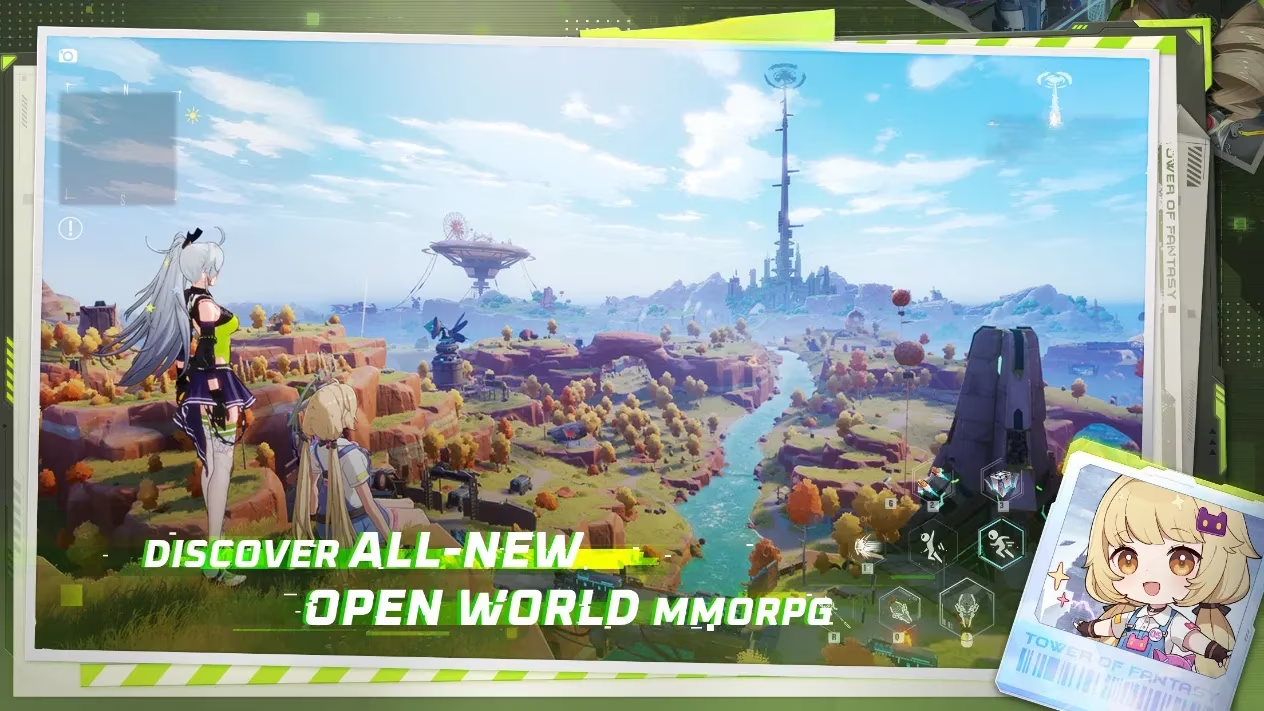
Character design philosophy further cements this connection. The roster is filled with archetypal "dreamy boys and sexy girls," clearly crafted to appeal to the same audience that fell for Genshin's charismatic cast. Specific heroes seem designed as direct analogues to popular characters from Mihoyo's title, a move that feels less like homage and more like targeted pandering. The player, dubbed the "Wanderer" instead of the "Traveler," embarks on a journey accompanied by a growing selection of warriors, with the promise of more to come through updates—a live-service model mirroring its predecessor. The environments, while sporting a more cyberpunk aesthetic, are structurally reminiscent of Genshin's early regions like Mondstadt, complete with enemy outposts to conquer and vistas designed for photo mode.
The core monetization strategy is identical. Tower of Fantasy is built around hamfisted gacha mechanics, encouraging players to spend money rolling for characters and weapons to enhance their power and collection. The thrill—and frustration—of the random draw is central to the progression loop. While some argue that having "another game to play with friends" justifies this creative bankruptcy, it sets a concerning precedent. It signals to developers that meticulously copying a successful product is a viable, low-risk strategy, potentially stifling genuine innovation in the genre. Players excited because it's like Genshin Impact may not mind, but this acceptance normalizes a landscape where new releases are judged not on originality, but on how well they mimic an existing hit.
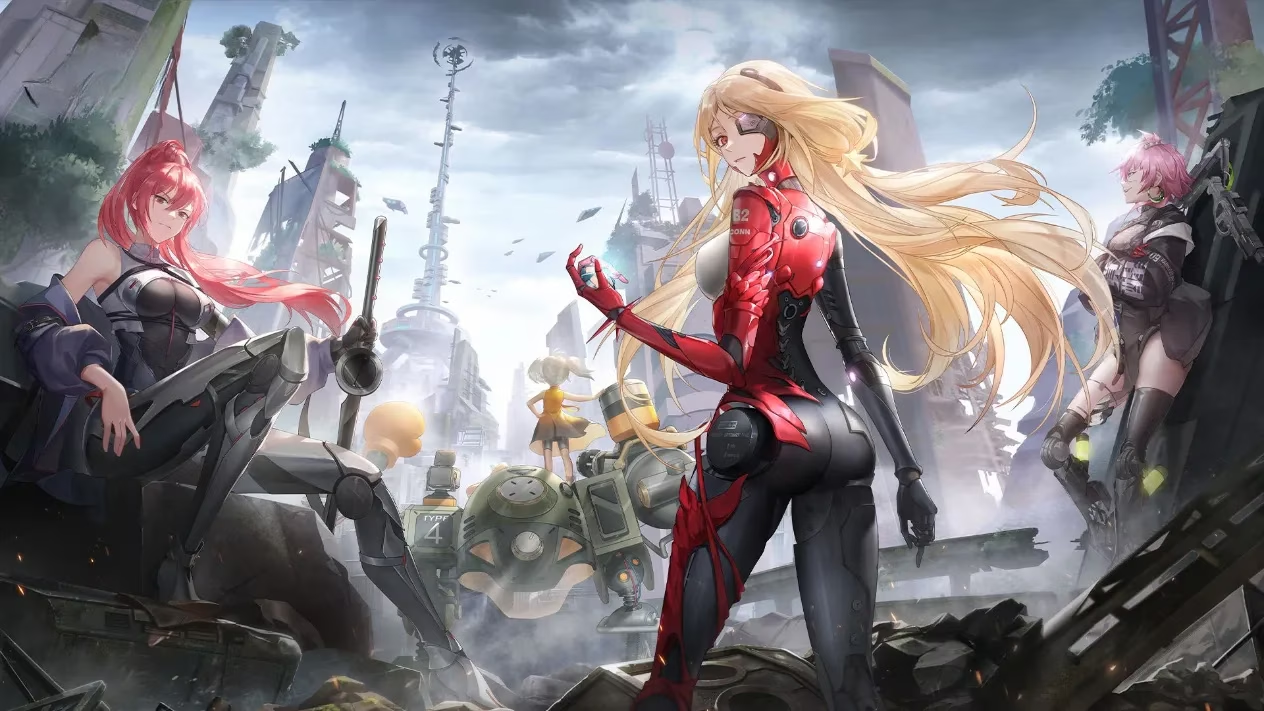
Beneath the cynical exterior, Tower of Fantasy does introduce some ideas of its own. The sci-fi setting allows for different narrative themes, and the inclusion of character customization and a more traditional MMORPG-style social hub are points of differentiation. The combat, while familiar, integrates weapon-based gameplay more deeply. However, these innovations are buried under the overwhelming weight of its derivative nature. When the surface experience is so blatantly copied, it becomes difficult for even its good ideas to shine or for players to feel they are engaging with something fresh. The feeling is one of déjà vu, not discovery.
As of 2026, the conversation around games like Tower of Fantasy has evolved. It serves as a case study in the limits of iterative design. Genshin Impact, for all its clear inspirations, executed its vision with a high degree of polish and a strong, original artistic identity. It copied mechanics but built a unique world. Tower of Fantasy, in contrast, often feels like it copied the homework and just changed the font. The market's response—initial curiosity followed by a steep decline in player retention compared to its inspiration—suggests that while players may try a clone, long-term commitment requires something more than familiar systems in a new skin. The game's existence highlights a tension in modern gaming: between the safety of proven formulas and the risk (and reward) of true creativity. In the end, Tower of Fantasy stands as a monument to a cynical development strategy, a reminder that in the shadow of a giant, it takes more than imitation to build a lasting legacy.
Comments